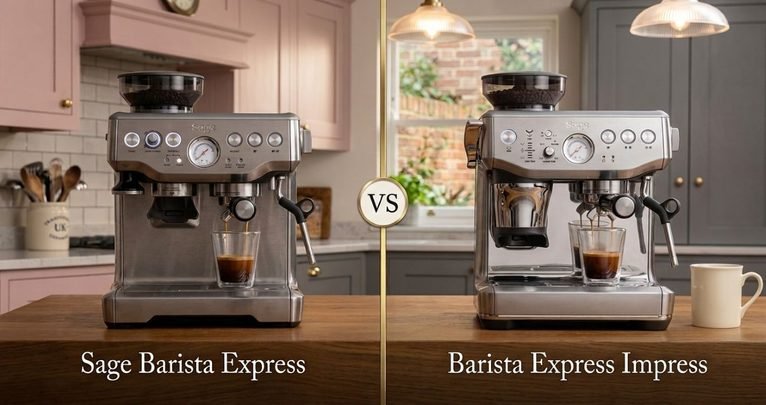
Ninja Luxe Café Pro vs Sage Barista Express Impress: Which Coffee Machine Is Better?
Both of these sit at around £730 at list price, both grind their own beans, both push espresso through a portafilter, and both are sold to people who want café coffee at home without a two-day barista course first. So they end up on the same shortlist constantly.
The similarity stops at the front panel. The Ninja Luxe Café Pro ES701UK is trying to be four appliances, and it makes most of the technical decisions on your behalf. The Sage Barista Express Impress does espresso and milk drinks only, and hands you a guided version of the manual process instead. Neither approach is wrong, but they suit very different people, and you cannot work out which one you are from a specification sheet.
Quick verdict
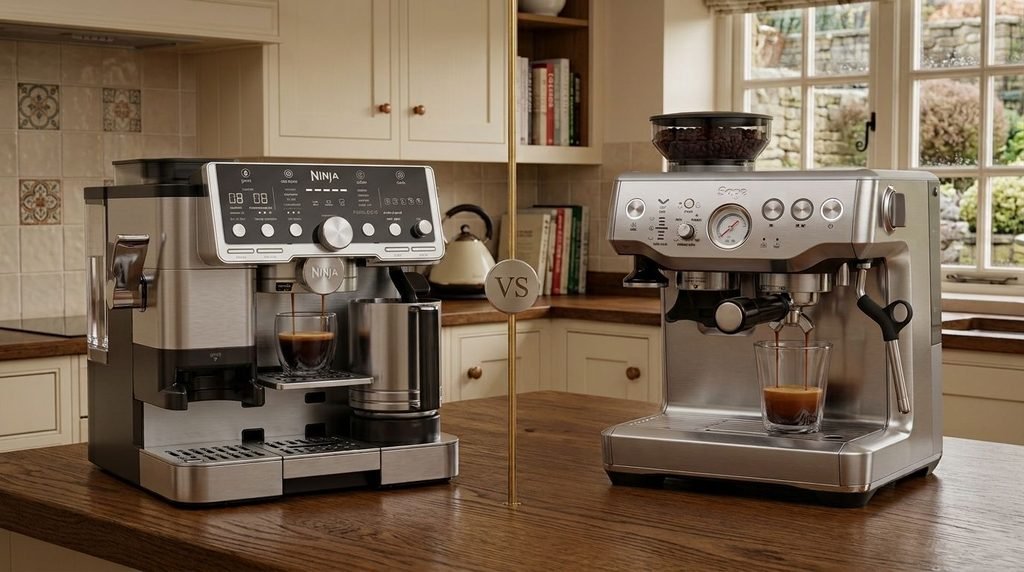
If you want one machine covering espresso, milk drinks, a jug of filter coffee and cold brew, and you would rather press a button than judge a pour, buy the Ninja. If espresso is most of what you drink and you want to be involved in making it, the Sage is worth the stretch.
Ninja Luxe Café Pro vs Sage Barista Express Impress: at a glance
| Category | Ninja Luxe Café Pro ES701UK | Sage Barista Express Impress SES876 |
|---|---|---|
| Best for | Households that drink a mix of coffee styles and want automation | Espresso drinkers who want hands-on control |
| Coffee types | Espresso, filter coffee, cold brew, hot water | Espresso and espresso-based milk drinks |
| Espresso system | 9-bar, Barista Assist adjusts temperature, time and dose | 15-bar pump, 9-bar extraction, low-pressure pre-infusion, PID at 93°C |
| Grinder | Built-in burr grinder, 25 settings, weight-based dosing | Integrated conical burr grinder, 25 settings, intelligent dosing |
| Tamping | Integrated lever tamper | Impress Puck System, 10kg assisted tamp with a 7° twist |
| Milk system | Dual Froth System Pro: hands-free frothing plus a manual steam wand, 5 presets | Manual 360° swivel steam wand |
| Ease of use | Very approachable from day one | Guided, but you are still learning a process |
| Manual control | Limited; the machine sets brew temperature | Extensive; grind, dose, tamp and shot timing are yours |
| Cleaning | Auto-purging steam wand, guided clean and descale cycles | Standard portafilter and wand routine, cleaning cycle prompt |
| Size (H × W × D) | 37.1 × 35.1 × 33.3cm, 11.56kg | 41 × 33 × 38cm, 10.98kg |
| Water tank / hopper | 2 litres / 250g | 2 litres / 250g |
| Price and value | Around £730 list, often discounted well below it | Around £730, discounted less often |
| Overall | The more versatile machine | The better espresso machine |
Ninja Luxe Café Pro ES701UK: what you are actually getting
The ES701UK looks like an espresso machine and it has the portafilter and grouphead to back that up, but it also brews a jug of filter coffee, makes cold brew and dispenses hot water. Four jobs, one plug socket. That is the main reason it appeals to houses where nobody can agree on what coffee is.
What makes it forgiving is that it takes away the two steps people get wrong. The built-in scale doses by weight, so you are not eyeballing grams into a basket. Tamping is a lever on the side of the machine instead of a separate hand tamper. Barista Assist looks after brew temperature, brew time and dose in the background, and after a few calibration shots it will suggest a grind size. A complete beginner can get a drinkable shot out of this on the first morning. Not many machines at this price can claim that.
Milk is where the Ninja pulls furthest ahead on convenience. The Dual Froth System Pro froths hands-free with five presets, covering steamed milk, thin froth, thick froth, extra-thick froth and cold foam, and it handles plant-based milks as well as dairy. There is also a manual steam wand if you want to texture milk yourself, so you are not locked out of doing it properly. Across drink styles, sizes and froth options the machine offers 29 settings, and you can save the combinations you keep going back to.
The annoyances are all small and all daily. The bean hopper is recessed with no window, so you discover you are low on beans at the precise moment you need beans. Clearance under the portafilter is tight; one cup is fine, two side by side under the dual spout is more of a negotiation than it should be. The tamper is enclosed, so you get no feel for what the puck is doing. That last one does not matter at all while the machine is guiding you, and matters quite a lot on the day you want to work out why a shot ran fast.
| Specification | Detail |
|---|---|
| Model | Ninja Luxe Café Pro Series ES701UK |
| Type | Semi-automatic espresso machine with grinder, filter coffee and cold brew |
| Brew methods | Espresso, filter coffee, cold brew, hot water |
| Pump pressure | 9 bar |
| Grinder | Built-in burr grinder, 25 grind settings |
| Dosing | Weight-based, using a built-in scale |
| Tamping | Integrated lever tamper |
| Temperature control | Automatic via Barista Assist Technology (not user-set) |
| Milk system | Dual Froth System Pro, hands-free frothing plus manual steam wand, 5 froth presets |
| Drink settings | 29 across styles, sizes and froth options |
| Water tank | 2 litres, removable |
| Bean hopper | 250g |
| Power | 1,650W |
| Dimensions (H × W × D) | 37.1 × 35.1 × 33.3cm |
| Weight | 11.56kg |
| Baskets included | Single, double and Luxe |
| In the box | Portafilter, three baskets, XL milk jug with integrated whisk, cleaning brush, cleaning disc, cleaning tablets, descaling powder, water hardness test kit |
| Guarantee | 2 years |
Pros and cons
- Covers espresso, filter coffee and cold brew, so it replaces more than one appliance
- Hands-free milk frothing with five presets, including cold foam for iced drinks
- Weight-based dosing and an integrated tamper remove two of the fiddliest steps
- Barista Assist actively manages temperature, time and dose, and suggests a grind size
- Works with plant-based milks without extra effort
- Generous accessory bundle, including a milk jug with a whisk and a water hardness test kit
- Discounted far more often than the Sage, which changes the value question
- You cannot set brew temperature yourself, so there is a ceiling on how much you can tune
- The enclosed lever tamper gives you no feel for the puck
- No window on the bean hopper, so bean level is guesswork
- Limited clearance under the portafilter makes two-cup brewing awkward
- More plastic in the build than the price suggests
- The control panel takes a few days to stop feeling busy
Buy it if your household drinks a mix of espresso, long coffee and iced drinks, you want milk texturing handled for you, and you would rather the machine made the technical decisions.
Skip it if espresso is the whole reason you are buying, and you want to control temperature, dose and tamp yourself as your technique develops.
Sage Barista Express Impress SES876: what you are actually getting
The Impress is a manual espresso machine with the hardest parts smoothed off. Sage’s name for the arrangement is the Impress Puck System: it grinds, it works out the dose, and it tamps for you with a lever.
The dosing is cleverer than it first sounds. The machine calculates the dose from your last grind and auto-corrects the next one, so if you overshot or came up short it nudges you back towards the right amount instead of leaving you to figure it out. The tamp applies a consistent 10kg and finishes with a 7° twist to polish the puck surface. It is a sensible way to get repeatability without buying a separate tamper and practising for a month.
Underneath, the specification is the more serious of the two. A thermocoil with PID control holds brew water at 93°C. A 15-bar pump delivers around 9 bar at the puck, with low-pressure pre-infusion at the start of the shot to settle the coffee before full pressure arrives. There is an analogue pressure gauge on the front, which sounds like decoration until you realise it is the fastest way to learn whether your grind is too coarse or too fine. The 54mm portafilter takes single and dual-wall baskets in one and two-cup sizes, and a precision trimming tool is included so you can level the puck properly.
Milk is entirely manual. One 360° swivel steam wand, no presets, no help. Get it right and you get the glossy microfoam a flat white actually needs and latte art depends on. Get it wrong and you get washing-up bubbles sitting on top of a perfectly good shot. There is no way to buy your way past that stage on this machine: you practise, or you accept mediocre milk.
One structural limit is worth knowing about. A single thermocoil supplies both brewing and steaming, so you do one and then the other, with a short wait while the machine changes temperature in between. For two drinks it is nothing. It starts to show when you are making four in a row.
| Specification | Detail |
|---|---|
| Model | Sage the Barista Express Impress, SES876 / BES876 |
| Type | Manual espresso machine with integrated grinder and assisted tamping |
| Brew methods | Espresso and espresso-based drinks |
| Pump pressure | 15-bar pump, 9-bar extraction, low-pressure pre-infusion |
| Heating | Thermocoil with PID temperature control, 93°C |
| Grinder | Integrated conical burr grinder, 25 grind settings |
| Dosing | Intelligent dosing, calculated from the last grind and auto-corrected |
| Tamping | Impress Puck System, 10kg assisted tamp with 7° twist |
| Pressure gauge | Yes, analogue, for monitoring extraction |
| Portafilter | 54mm stainless steel |
| Baskets included | Single and dual-wall, 1 and 2-cup |
| Milk system | Manual steam wand, 360° swivel |
| Water tank | 2 litres, removable |
| Bean hopper | 250g |
| Power | Up to 1,850W |
| Dimensions (H × W × D) | 41 × 33 × 38cm |
| Weight | 10.98kg |
| In the box | 54mm portafilter, filter baskets, 480ml milk jug, precision trimming tool, water filter and holder, cleaning tablets, descale powder, cleaning disc, brush, steam wand cleaning tool, Allen key |
| Guarantee | 2 years |
Pros and cons
- PID temperature control at 93°C, which is the single biggest factor in shot consistency
- Low-pressure pre-infusion helps the puck saturate evenly before full pressure
- Assisted 10kg tamp removes the most common beginner mistake
- Intelligent dosing corrects itself between shots, so dialling in is quicker
- Pressure gauge gives you real feedback to work from
- 54mm portafilter and dual-wall baskets give you room to develop your technique
- Manual wand can produce proper microfoam for flat whites and latte art
- Espresso and milk drinks only; no filter coffee and no cold brew
- Milk frothing is entirely on you, which is a genuine learning curve
- One thermocoil means brewing and steaming happen in sequence, with a wait between
- At 41cm tall plus hopper clearance, it is awkward under low wall units
- Deeper than the Ninja at 38cm, so it eats more worktop front to back
- Discounted less often, so you usually pay closer to full price
Buy it if you mostly drink espresso, flat whites and cappuccinos, you like the idea of getting better at making them, and you want a machine that rewards that effort.
Skip it if you want filter coffee or cold brew from the same machine, or nobody in the house wants to learn to steam milk.
Ninja Luxe Café Pro vs Sage Barista Express Impress: the key differences
Everything else is detail. Three things decide this one.
- Range. The Ninja does filter coffee and cold brew as well as espresso. The Sage does espresso, full stop.
- Milk. The Ninja will froth for you across five presets, and still gives you a wand if you want to do it by hand. The Sage gives you a wand and expects you to learn.
- What you are allowed to change. This is the one that matters most in the long run. The Sage lets you work with a known 93°C, pre-infusion and a pressure gauge you can read while the shot runs. On the Ninja, brew temperature is not yours to set and there is no gauge, so when a shot goes wrong you have fewer levers to pull.
Coffee quality
It would be nice to tell you one of these makes better coffee. At this level it does not really work like that. Beans, how fresh they are, grind setting and how consistently you work all matter more than the machine does, and two people with the same machine can end up nowhere near each other.
What the hardware decides is how good your best coffee can get, and how bad your worst one is. The Sage gives you more room at the top. Water held at 93°C by PID control, pre-infusion to wet the puck gently, and a gauge that shows you what is happening are the three things you need if you want to chase a better shot, and a fortnight of adjusting grind and dose will get you somewhere properly good.
The Ninja protects your worst mornings instead. Weight-based dosing, a tamp the machine controls and Barista Assist looking after temperature and timing mean the bad shots are less bad. A patient owner will get better espresso from the Sage. A rushed household will probably drink better coffee on average from the Ninja, simply because it is harder to ruin at seven in the morning.
Espresso
Both extract at around 9 bar, which is the number everyone quotes, so that is not where they differ.
On the Sage the shot is a process you take part in. You grind into the 54mm portafilter, the machine works out the dose and corrects it next time, you pull the lever for the 10kg tamp with its 7° finishing twist, and you watch the gauge while the shot runs. Pre-infusion wets the puck before full pressure arrives, which helps avoid channelling. If the needle sits low, your grind is too coarse. If the shot chokes, it is too fine. That feedback is worth more than it looks: move from a supermarket bag that has been on the shelf for four months to something roasted a fortnight ago and the shot will change noticeably, and the gauge is how you find the new setting in two or three attempts instead of ten.
On the Ninja, the shot is mostly an outcome. The built-in scale doses by weight for the drink you selected, the lever tamps inside the machine, and Barista Assist adjusts brew temperature, brew time and dose as it goes, having already recommended a grind size from a few calibration shots. It is a genuinely low-effort route to a reasonable espresso. But brew temperature is not yours to set, the tamp is out of sight and there is no pressure gauge, so when a shot comes out thin your options are narrower.
Winner: Sage Barista Express Impress, on control and consistency for anyone prepared to engage with it.
Milk frothing and milk drinks
This is where the two machines part company completely, and for a lot of buyers it settles the whole thing.
The Ninja’s Dual Froth System Pro froths hands-free. You choose from steamed milk, thin froth, thick froth, extra-thick froth or cold foam, and the machine handles it while you do something else. It works with plant-based milks without you having to relearn the technique, and the wand purges itself with water afterwards. For a cappuccino, that thick and extra-thick range is genuinely useful. For iced drinks, cold foam is a feature the Sage simply does not have. And if you do want to texture milk by hand, the manual wand is still there.
The Sage gives you one steam wand and no shortcuts. Learn to use it and the microfoam beats anything an automatic system will hand you: glossy, dense, pourable enough for latte art. That matters most for flat whites, which live or die on milk texture rather than depth of foam. The first fortnight will produce some sad, bubbly attempts.
If there is one place people mis-buy the Sage, it is here. They want flat whites, they assume the machine makes flat whites, and what it actually does is make espresso and hand them a steam wand. That is a fine deal if somebody in the house fancies learning. If not, you have bought a specialist machine to make drinks it will not help you finish.
Winner: depends on the household. Ninja for convenience, consistency across users and iced drinks. Sage for the best flat white, if someone is willing to practise.
Ease of use and the daily routine
The test is the weekday morning, not the weekend when you have time to enjoy the process.
With the Ninja, that morning goes: choose your drink, let it grind and dose by weight, pull the tamp lever, brew, and let the froth preset deal with the milk. The panel looks busy for the first few days because there are 29 settings on it, then it stops being a problem. Anyone in the house can make a passable coffee without being taught, which is worth more than it sounds if you live with people who will not read a manual.
With the Sage the same morning has a few more decisions in it. Dose, tamp, watch the gauge, steam the milk yourself, clean the wand straight after. The Impress system takes out the two steps beginners struggle with most, so this is nowhere near the hardest manual machine to live with. It is still a routine you have to learn, though, and the milk stage is what separates the people who love these machines from the people whose machine ends up making one coffee a week.
Winner: Ninja Luxe Café Pro, comfortably, on day-to-day ease and on being usable by everyone in the house.
Grinder and grinding control
Both list 25 grind settings and a 250g hopper, so on paper this is a draw.
In use it is not. The Sage’s intelligent dosing corrects the next dose from your last grind, and the gauge tells you whether the setting you picked is working, so changing beans is a two-minute job. The Ninja recommends a grind size for you after a few calibration shots, which is friendlier at the start and less useful later, when you want to change one thing deliberately and see what it did. Its hopper has no window either, so bean level is guesswork.
Winner: Sage, for the feedback rather than the settings count.
Automation versus control
Automation is the right answer more often than coffee people like to admit. Two coffees before work, three different drinkers in the house, an iced latte in July, a jug of filter coffee on a Sunday morning: handing temperature, timing and milk texture over to the machine is not settling for less. It is the reason you bought a machine with buttons on it. The Ninja is built for that person and it does the job well.
Control earns its keep when the making is part of the pleasure, or when you already know you can taste the difference between a good shot and an average one. The Sage’s PID temperature, pre-infusion, gauge and manual wand exist so you can change one variable and taste what happened. That only pays off if you want to spend the attention. If you do not, those features sit unused and you have paid the same money for a machine that does less.
The gap is narrower than either brand’s marketing suggests, mind. The Sage is not a purist’s machine that leaves you to sink or swim, because assisted dosing and a 10kg tamp remove genuine difficulty. The Ninja is not sealed shut either, with 25 grind settings and a manual wand of its own. What differs is where each one stops helping.
Cleaning and maintenance
Neither of these is low-maintenance. Anything that grinds beans and steams milk means knocking out a puck, rinsing a basket and wiping a wand every day.
The Ninja makes the milk side easier: its wand purges itself with water after use, which is the job people actually forget, and the machine runs guided cleaning and descaling cycles using the tablets, disc, brush and powder in the box. The Sage is the conventional routine instead. Purge and wipe the wand yourself straight after steaming, backflush with the cleaning disc when prompted, change the water filter. None of it is unusual if you have owned an espresso machine before. Only the wand really demands discipline, because dried milk in the tip is a genuine nuisance to shift.
Both give you something for water, incidentally: a hardness test kit with the Ninja, a water filter and holder with the Sage. Use them. In a hard water area, and most of London and the South East qualifies, you will be descaling more often than either manual implies.
Winner: Ninja, on the self-purging wand and the prompts.
Size and kitchen practicality
These two take up similar amounts of space in different directions, so measure before you decide.
| Measurement | Ninja ES701UK | Sage SES876 |
|---|---|---|
| Height | 37.1cm | 41cm |
| Width | 35.1cm | 33cm |
| Depth | 33.3cm | 38cm |
| Weight | 11.56kg | 10.98kg |
Standard UK wall units sit roughly 45 to 50cm above the worktop, so the Sage at 41cm is the one to measure for. It will probably clear, but you also need room above the hopper to tip a bag of beans in, which realistically means 50cm of vertical space rather than 42. Its 38cm depth is the other thing to watch on a shallow run of units, where it will sit further forward than you want it to.
The Ninja is 4cm shorter and nearly 5cm shallower, and pays for that with 2cm more width. What the numbers do not tell you is that clearance under its portafilter is tight, so if you regularly brew two at once, check your actual cups fit before you commit. Both are heavy enough that wherever you put them is where they live, so make sure you can reach the water tank without dragging the machine across the worktop.
Winner: Ninja, for most kitchens, on height and depth.
Price and value
At list price the two machines sit close together, both around £730. In practice they do not behave the same way in the shops. The Ninja is discounted regularly and sometimes heavily, and has been widely available closer to £550. The Sage tends to hold its price, with smaller and less frequent reductions. Prices move, so check both before buying rather than trusting any figure in an article.
That pattern changes the value maths more than the specifications do. Paid full price against full price, the Sage looks like the better engineered purchase for an espresso drinker, and the Ninja looks like the better value for a household that wants range. Once the Ninja drops towards £550, it becomes hard to argue against if you were undecided, because you are getting espresso, filter coffee, cold brew and automatic frothing for meaningfully less than one very good espresso machine.
It is worth doing the arithmetic before you talk yourself out of either price. An 18g double shot gets you about 14 drinks from a 250g bag, so a £9 bag of decent beans works out around 65p a coffee. Add milk for a flat white and call it 75 to 80p. Against £3.50 for the same drink on the way to work, a £550 Ninja has paid for itself after roughly 200 drinks, which is three or four months in a two-a-day household. The Sage at full price takes nearer 260. Those figures ignore descaling supplies, filters and the milk you will pour away while learning, but the shape of it holds: both pay back quickly if you drink coffee daily, and neither makes any sense if you drink two a week.
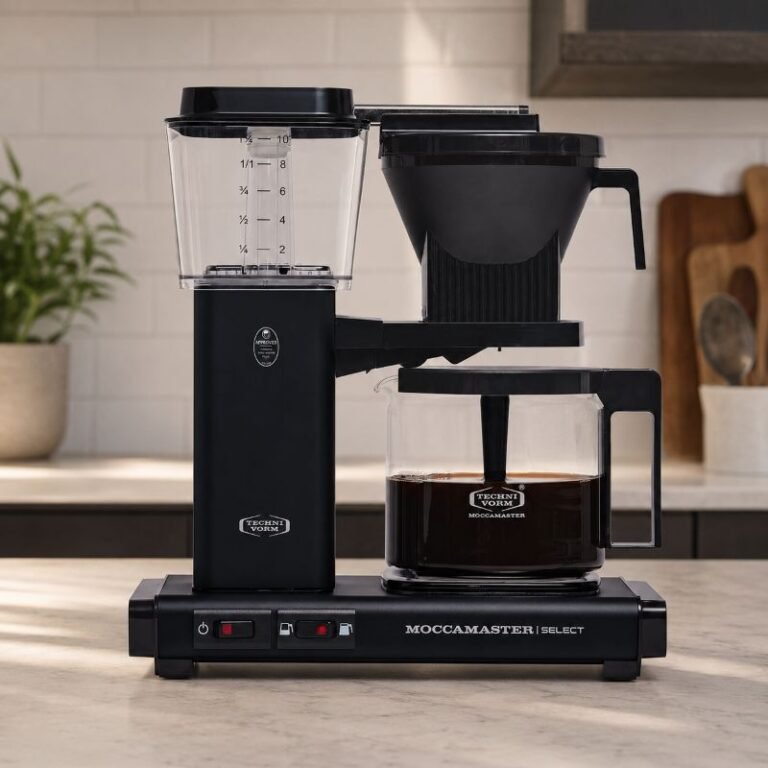
Running costs are effectively identical. Both use whole beans, both take a 250g hopper, and both need descaling and filters, so your ongoing spend depends on the beans you buy and the water where you live, not on which machine you chose. Worth factoring in that the Ninja’s filter and cold brew functions could save you buying a separate machine for those, which is a real saving rather than a marketing one. If filter coffee is the part you care most about, a dedicated brewer such as the Moccamaster KBG Select still does that job better than either of these.
Winner: Ninja on value, especially at a discount. Sage on what you get for your money if espresso is all you care about.
Which one should you buy?
Choose the Ninja Luxe Café Pro ES701UK if you want more than espresso from one appliance, more than one person will use the machine, you would rather not learn to steam milk, iced coffee and cold foam appeal to you, your worktop is shallow or sits under low wall units, or you have found it at a decent discount and want the most capability for the money.
Choose the Sage Barista Express Impress if espresso, flat whites and cappuccinos are what you actually drink, you want stable 93°C brewing with pre-infusion and a pressure gauge to work from, you are interested in improving your shots rather than just making them, you want proper hand-textured microfoam, or you expect to keep this machine for years and grow into it.
Still torn? One question tends to settle it: is anybody in the house actually going to learn to steam milk? Answer that honestly rather than optimistically, because it changes which machine you should own.
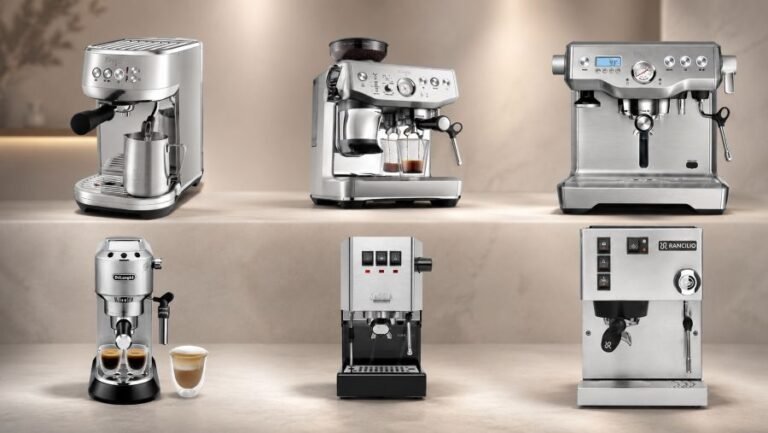
And if neither quite fits, it is worth widening the search before you commit. Our guides to the best espresso machines in the UK and the best bean-to-cup coffee machines in the UK cover the alternatives at both ends of this price bracket.
Final verdict
The Sage Barista Express Impress is the better espresso machine. PID temperature control at 93°C, low-pressure pre-infusion, a pressure gauge and a 54mm portafilter give you a machine you can learn on and keep getting more from, while the Impress dosing and 10kg tamp mean you are not starting from nothing. For someone whose coffee habit is espresso-shaped, it is the one we would spend the money on.
The Ninja Luxe Café Pro is the better machine for more households. It makes a decent espresso with very little skill required, froths milk hands-free with five presets including cold foam, brews filter coffee and cold brew as well, fits under a cupboard more easily, and is discounted often enough that it frequently costs less. What you give up is the ability to control brew temperature and to see what is happening at the puck, which will bother a keen espresso drinker and go unnoticed by everyone else.
Both are good buys for the right person. The mistake is buying the one that suits the coffee drinker you would like to be instead of the one you already are.
Frequently asked questions
Which is better for beginners, the Ninja Luxe Café Pro or the Sage Barista Express Impress?
The Ninja. It doses by weight using a built-in scale, tamps with an integrated lever, adjusts brew temperature and timing through Barista Assist, and froths milk hands-free. A complete beginner can make a drinkable coffee on the first day. The Sage is friendlier than most manual machines thanks to its assisted dosing and tamping, but you still have to learn to steam milk and read a pressure gauge.
Can the Sage Barista Express Impress froth milk automatically?
No. It has a single manual steam wand with 360° swivel, so you texture the milk yourself. If you want automatic frothing with presets, that is a Ninja feature, not a Sage one on this model.
Which machine is better for flat whites and cappuccinos?
For cappuccinos, the Ninja’s thick and extra-thick froth presets make consistently good results very easy. For flat whites, which need dense microfoam rather than volume, a well-used manual wand on the Sage gives a better texture. The deciding factor is whether you want to practise or not.
Does the Ninja Luxe Café Pro make real espresso?
Yes. It grinds fresh beans, doses into a portafilter, tamps and extracts at 9 bar, which is a genuine espresso process rather than a capsule or a pressurised shortcut. The difference from the Sage is how much of that process the machine decides for you, and the fact that you cannot set brew temperature yourself.
Will either machine fit under kitchen wall units?
Usually, but measure first. The Ninja is 37.1cm tall and 33.3cm deep. The Sage is 41cm tall and 38cm deep. Wall units typically sit 45 to 50cm above the worktop, so both should clear, though you also need space above the bean hopper to fill it. The Sage is the tighter fit on both height and depth.
Is the Sage worth paying more for when the Ninja is on offer?
If espresso is your main drink and you want to improve it, yes. The PID temperature control, pre-infusion and pressure gauge are things the Ninja does not offer at any price. If you drink a mix of coffee styles or want frothing handled for you, then no, a discounted Ninja is the better use of the money.
Do the two machines have the same grinder?
Both have a built-in burr grinder with 25 settings and a 250g hopper, so on paper they match. In use the Sage’s grinder is more useful for dialling in, because its intelligent dosing corrects the next dose based on your last grind and the pressure gauge shows you whether the setting is right. The Ninja instead recommends a grind size for you after a few calibration shots.